SEO Techniques That Really Work in 2025
By: Pracas Upreti, Information Technology Consultant
February 10, 2025
As search engines continue to evolve, understanding and applying strong **on-page SEO techniques** has become more important than ever. On-page SEO refers to everything you can control directly on your website to improve your search engine ranking. This includes optimizing your content, using the right keywords, improving your HTML tags, and enhancing the overall user experience. While off-page SEO, like backlinks, plays a big role too, your journey to ranking high always starts with what’s on your own pages.
First and foremost, you need high-quality content. Google’s algorithm has become very smart and is able to understand content deeply. It looks for relevance, originality, and value. If your content answers a user’s question clearly and in-depth, you’re on the right track. Avoid copying content from other websites. Instead, focus on writing for your users first and search engines second. Make your writing clear, easy to read, and organized with headings and bullet points where necessary. Content that satisfies the reader will naturally perform better in search results.
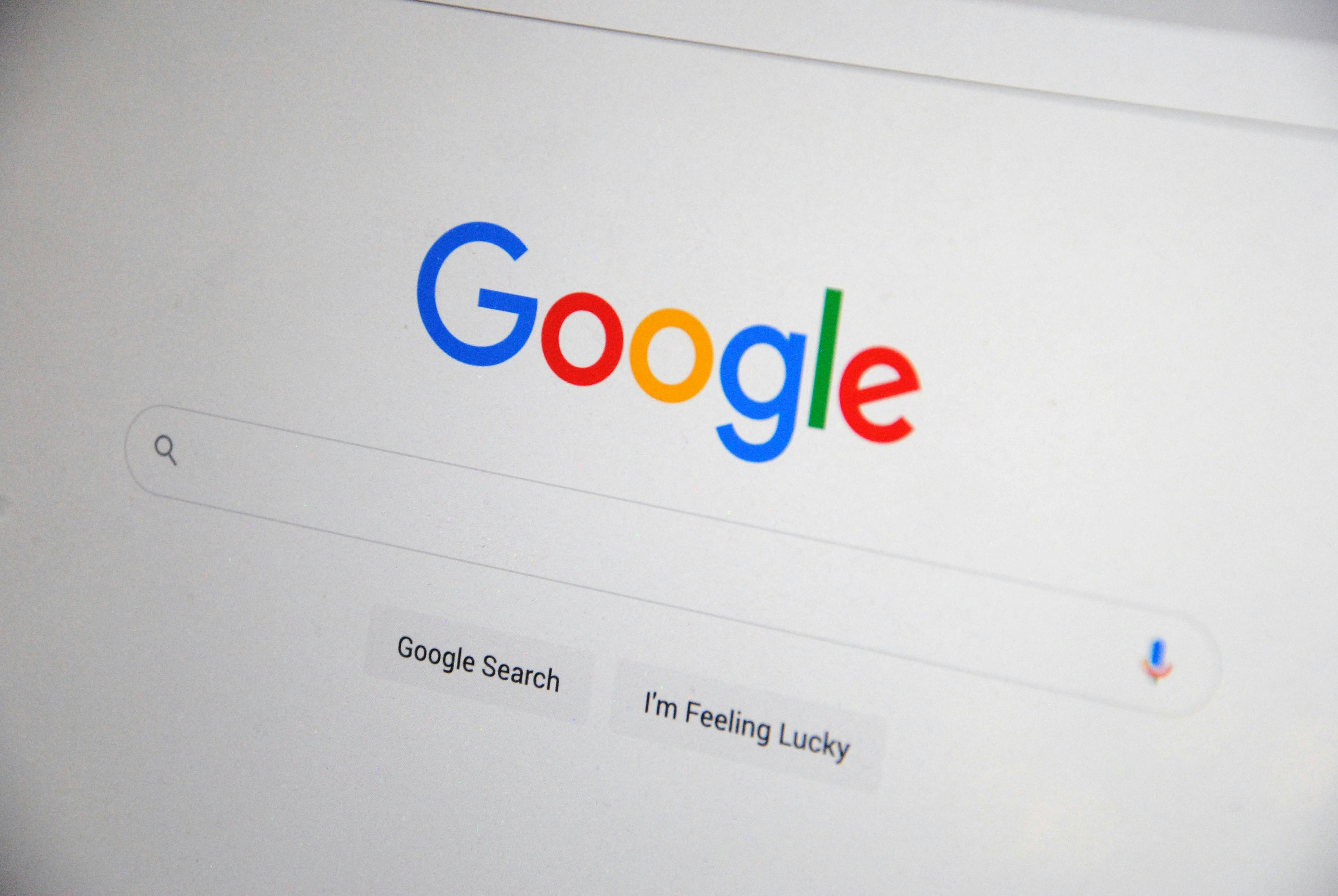
Your **title tag** and **meta description** are key parts of on-page SEO. The title tag appears as the clickable headline on Google, and the meta description appears below it. Both should include your main keyword and encourage people to click. For example, instead of writing “Home,” a better title would be “Affordable Web Design Services in Kathmandu | ABC Agency.” This is clear, keyword-rich, and speaks to what users are looking for. Keep titles under 60 characters and descriptions under 160 characters to avoid them getting cut off.
Another important element is the use of **heading tags** (H1, H2, H3, etc.). These tags help organize your content and show search engines which topics are most important. Use only one H1 tag per page, usually as your main title. Subheadings like H2 and H3 can be used to break down your content into sections, making it easier to read. Make sure to include keywords in your headings where appropriate, but keep the language natural. Avoid keyword stuffing and focus on helping your readers understand your content better.
To wrap it up, on-page SEO is about creating a user-friendly, content-rich, and well-structured website. When your site is easy to navigate, fast to load, and full of useful information, both users and search engines will reward you. These techniques are not tricks; they’re long-term strategies that build a strong foundation for your online success.